The Dirty Truth About Concrete Grinding
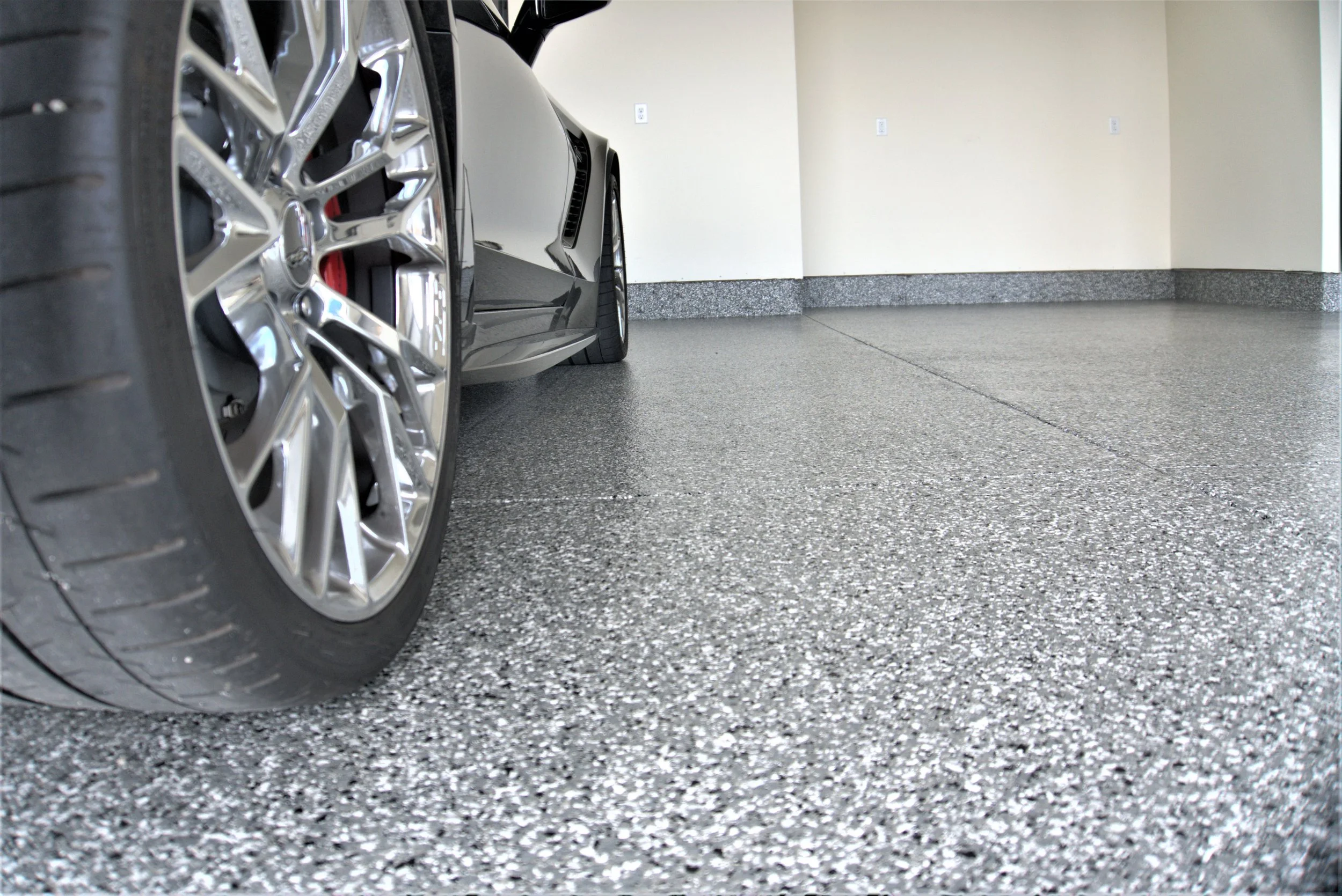
You want a beautiful, seamless, showroom-quality garage floor. You are ready to get rid of the stains, the cracks, and the ugly raw concrete. But there is one major fear keeping you from pulling the trigger: the mess.
We’ve all heard the contractor horror stories. A homeowner hires a local handyman or a general contractor to coat their floor. The crew brings out a basic sander, flips a switch, and within ten minutes, a massive, billowing cloud of white concrete dust fills the garage. It covers the walls, ruins the water heater, sneaks under the door into the kitchen, and coats the entire house in a fine layer of chalky white powder that takes months to clean out.
At Koffler Custom Coatings, we hear this concern all the time. Your home is your single largest investment, and you want it respected.
Here is the dirty truth about why concrete grinding is absolutely mandatory—and how our advanced, 98% dust-free containment loop ensures your property stays perfectly pristine.
Why Mechanical Grinding Cannot Be Skipped
Some low-cost contractors try to avoid the dust issue entirely by using a shortcut called "acid washing." They pour muriatic acid over your garage floor, rinse it off with a hose, and then slap down a coating.
Here is the problem: acid washing does not work on tough, cured Montana concrete. It doesn't remove old sealers, it doesn't level out uneven spots, and it doesn't open up the concrete's pores deeply enough for a premium coating to fuse properly.
To make a polyurea or epoxy coating last a lifetime, you must mechanically profile the concrete using industrial diamond grinders. The heavy diamonds grind away the smooth top layer of the slab, exposing the raw aggregate underneath and creating a texture similar to medium-grit sandpaper. This open pore structure is what allows our industrial coatings to bite into the concrete and bond at a molecular level.
If a contractor skips diamond grinding, your floor coating will likely peel off within twenty-four months. Grinding is non-negotiable for a premium result.
The Koffler Standard: Heavy Machinery, Zero Mess
Because grinding is mandatory, we chose to invest heavily in the best dust-mitigation technology on the market. We don't use hardware-store shop vacs or basic filters.
Our professional concrete preparation process relies on a closed-loop containment system:
Industrial Grinding Rigs: We use heavy-duty planetary diamond-grinding machinery designed to cut cleanly through concrete imperfections, old coatings, and contaminants.
High-Powered Vacuum Containment: Attached directly to the shroud of our grinders are massive, commercial-grade dust extractors equipped with certified HEPA filtration systems.
Instant Capture: The very microsecond a diamond blade touches your concrete and creates a grain of silica dust, the immense suction of our vacuum loop captures it right at the source.
The dust never has a chance to float into the air, settle on your garage walls, or find its way into your home's HVAC system. When we finish grinding your floor, your garage walls are clean, your air is safe, and your household interior luxury is fully preserved.
Meticulous Craftsmanship from Start to Finish
Collin founded Koffler Custom Coatings to reject the sloppy, "growth-at-all-costs" mentality that gives the contracting industry a bad name. True craftsmanship means taking care of the details that happen before the beautiful topcoat is ever poured.
By utilizing our 98% dust-free system, we can meticulously profile your concrete, repair deep cracks, and fill pits with absolute precision—all while keeping your property incredibly clean. When our team packs up and leaves your home, the only sign that we were ever there will be your stunning new showroom floor.
Don't let the fear of contractor mess hold you back from your dream garage.
Click here to request your clean, dust-free estimate from Koffler Custom Coatings today.